

Building Maintenance

Building Inspections
Slate Repairs
Roof Repairs
Building Passport
Stonework Repairs
Roof Surveys
Pre-purchase Inspections
Building Maintenance
Rainwater Systems
Building Inspections
Roof Repairs
Stonework Repairs
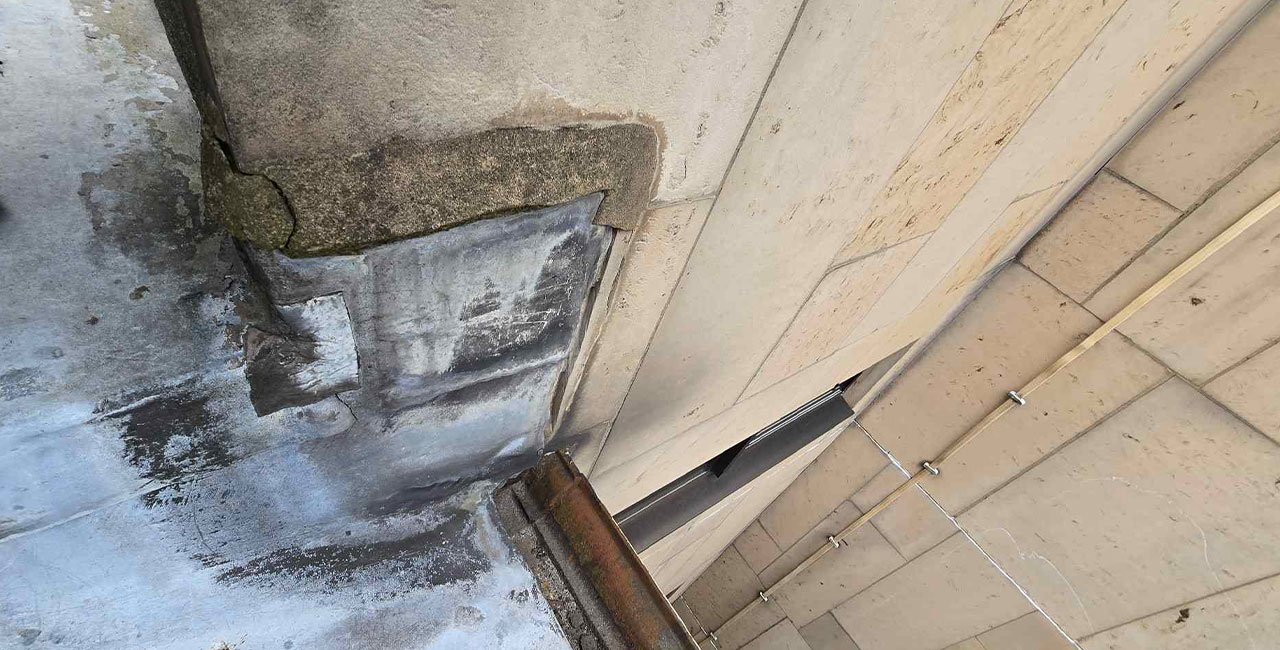
Every Roof Element, Checked at Close Range
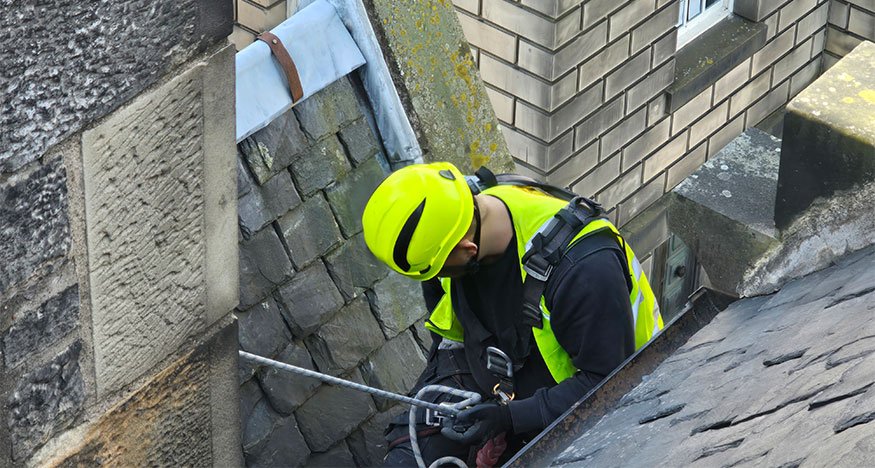
We don’t inspect roofs from the hatch or the street. We rope-access the full roof area and physically check every element — so nothing gets missed.
- Slates
- Ridges and hip tiles
- Lead flashings
- Skews and skews stones
- Valley and secret gutters
- Chimney stacks
- Rainwater goods
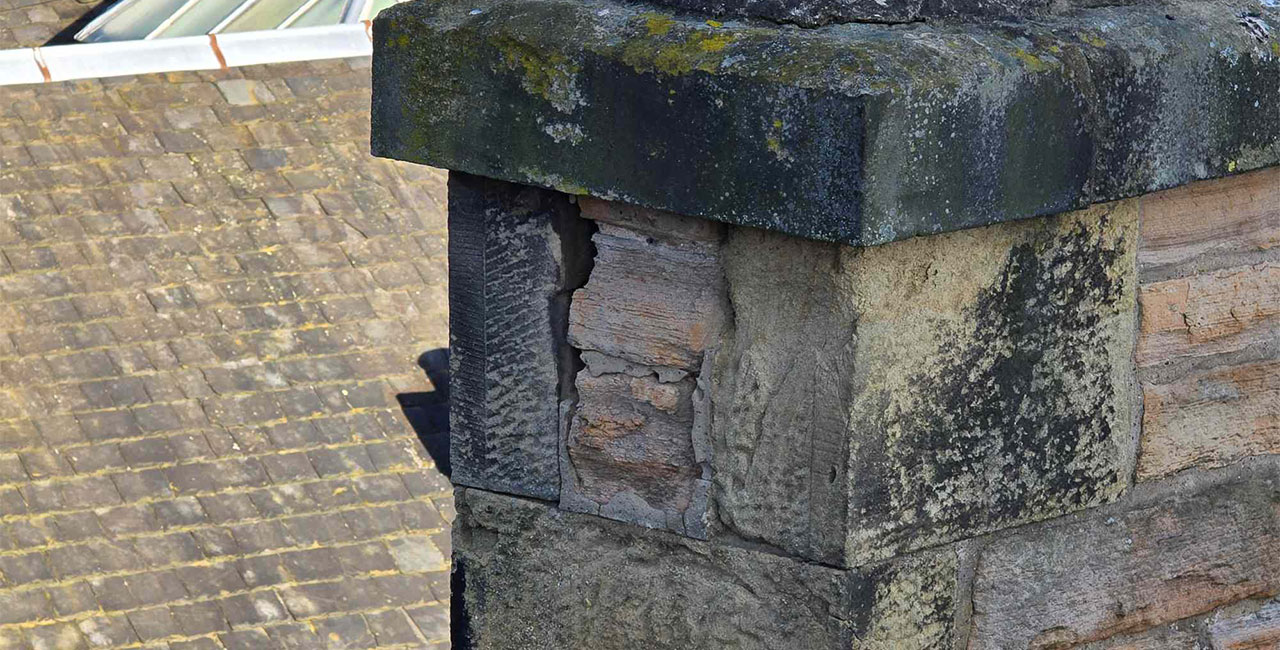
What Edinburgh Roofs Are Prone To
Older roofs deteriorate in predictable ways. These are the issues we find most often during rope access roof surveys across Edinburgh’s tenements and townhouses.
- Slipped slates
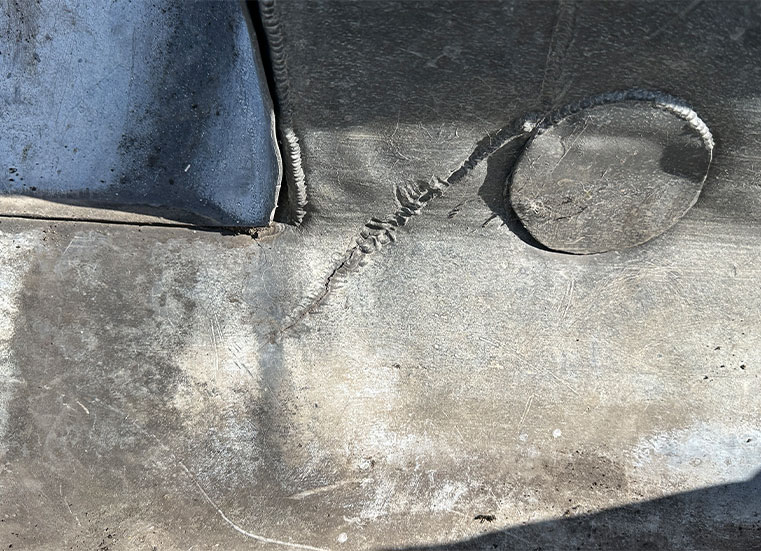
- Failed lead flashings
- Missing ridge pointing
- Blocked gutters
- Eroded chimney mortar & Loose pots
- Open joints

A Clear Roof Condition Report
Every finding is photographed, graded, and mapped to its location. You get a report that’s useful — not a vague summary from someone who looked up from the pavement.
- Photographic evidence
- Defects graded by severity
- Action recommendations
- Formatted reports
- Logged in Building Passport
- Timeline tracking
Every Roof Element, Checked at Close Range
We don’t inspect roofs from the hatch or the street. We rope-access the full roof area and physically check every element — so nothing gets missed.
- Slates
- Ridges and hip tiles
- Lead flashings
- Skews and skews stones
- Valley and secret gutters
- Chimney stacks
- Rainwater goods
What Edinburgh Roofs Are Prone To
Older roofs deteriorate in predictable ways. These are the issues we find most often during rope access roof surveys across Edinburgh’s tenements and townhouses.
- Slipped slates
- Failed lead flashings
- Missing ridge pointing
- Blocked gutters
- Eroded chimney mortar & Loose pots
- Open joints
A Clear Roof Condition Report
Every finding is photographed, graded, and mapped to its location. You get a report that’s useful — not a vague summary from someone who looked up from the pavement.
- Photographic evidence
- Defects graded by severity
- Action recommendations
- Formatted reports
- Logged in Building Passport
- Timeline tracking
Building Maintenance
Roof Surveys
Stonework Repairs
Building Surveys
Roof Slate Repairs
Rainwater Systems
Building Passport
Gutter Cleaning
Repairs and Installations
Stonework Inspections
Roof Surveys
Building Passport
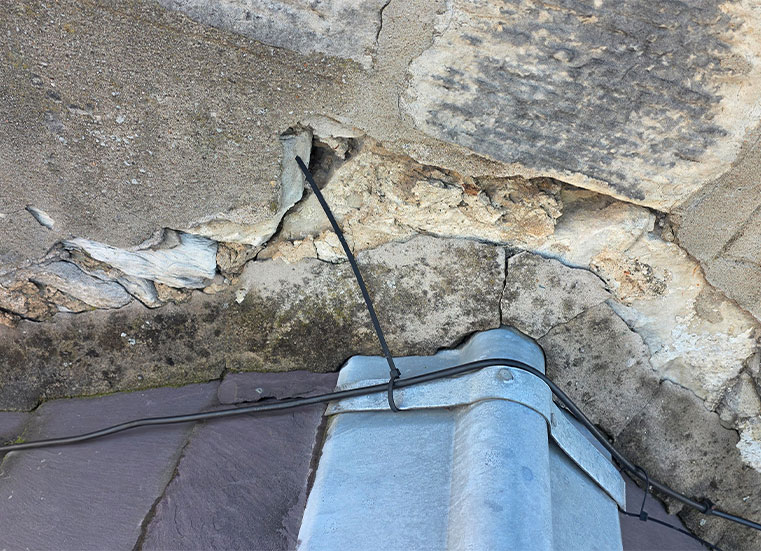

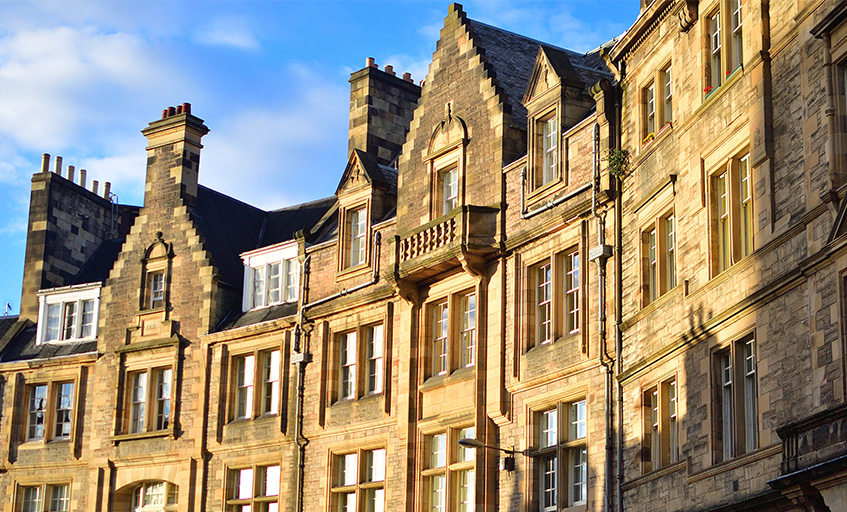
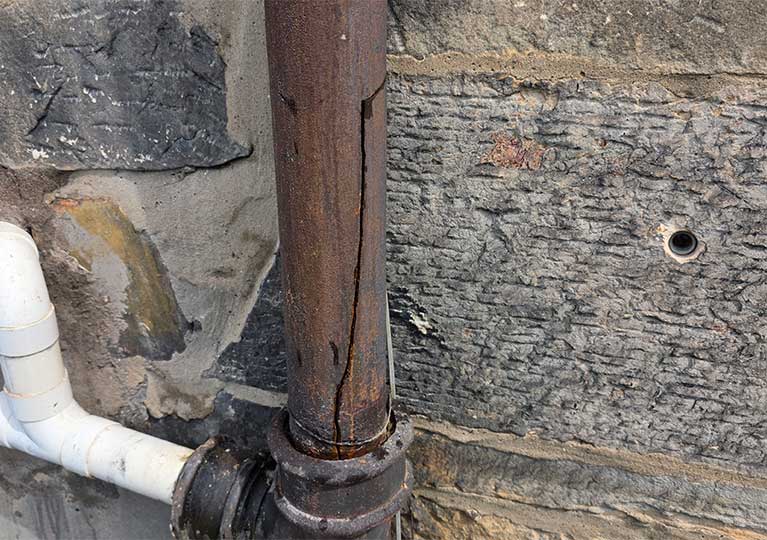
Rainwater Systems
We check: Gutters, Downpipes, Joints, Seals, Hangers, Brackets, Surfaces
Rainwater Systems
We check: Gutters, Downpipes, Joints, Seals, Hangers, Brackets, Surfaces
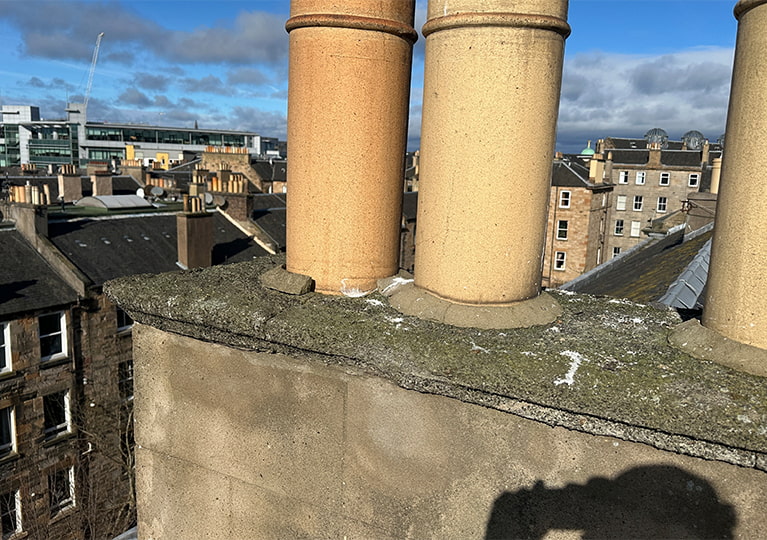
Chimneys
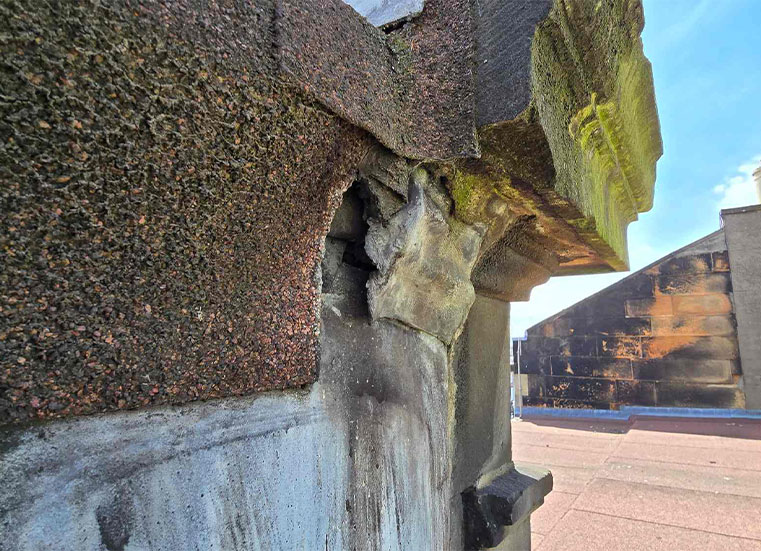
We check: Pots, cope stones, haunching, chimney breast and throat, stonework, mortar joints, flashings and soakers
Chimneys
We check: Pots, cope stones, haunching, chimney breast and throat, stonework, mortar joints, flashings and soakers
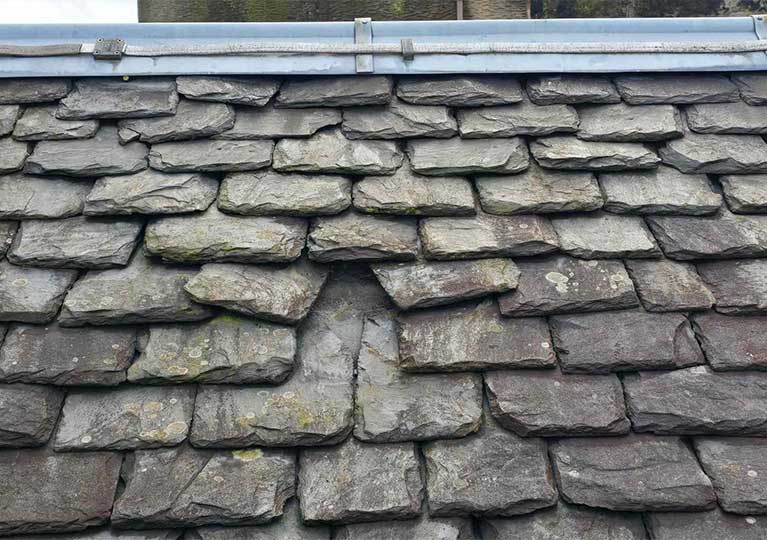
Roof Covering
We check: Slipped/missing slates, Ridges, Ridge tiles and joints, Abutments and Skews
Roof Covering
We check: Slipped/missing slates, Ridges, Ridge tiles and joints, Abutments and Skews
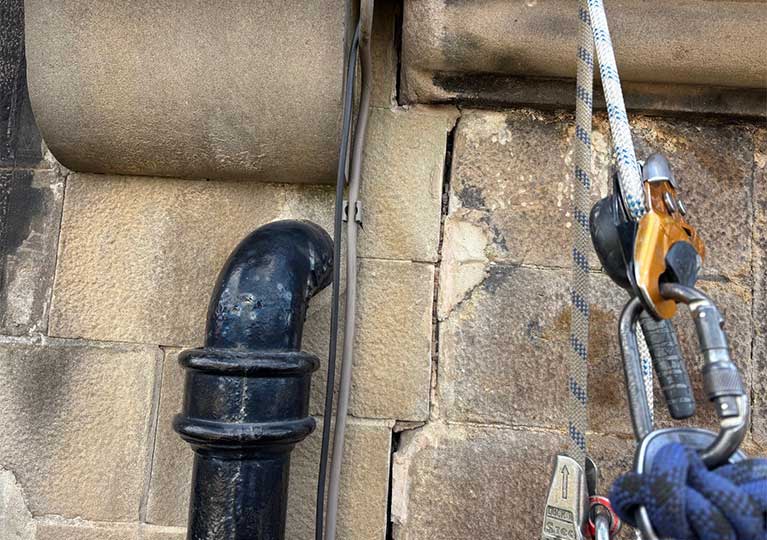
Stonework
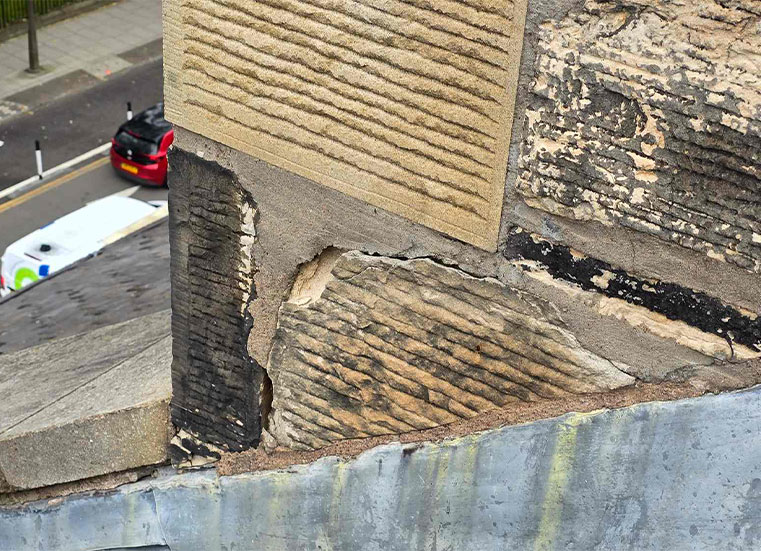
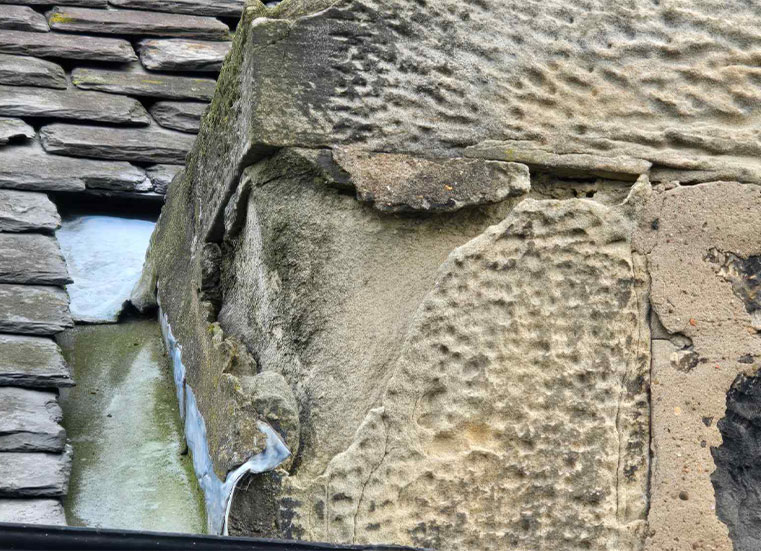
We check: Surfaces, Spalling, Lamination, Loose stonework, Mortar joints, Cracks and deterioration
Stonework
We check: Surfaces, Spalling, Lamination, Loose stonework, Mortar joints, Cracks and deterioration
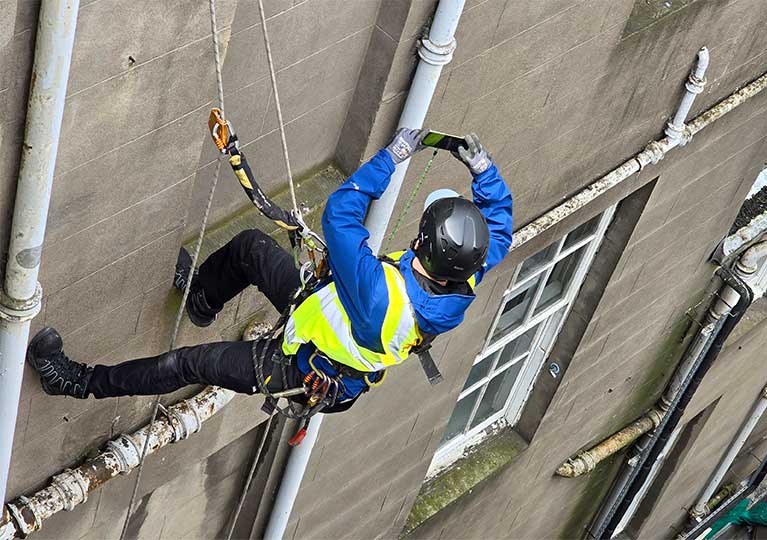
Inspections
SAT check every aspect and surface of the property. We do this visually and physically
Inspections
SAT check every aspect and surface of the property. We do this visually and physically