

Stonework Inspections

Close-range rope access inspection of sandstone and masonry facades — identifying deterioration before it becomes structural.

How It Works

How We Inspect Your Stonework

A systematic, close-range assessment of every stone face — from street level to parapet.

Step_01

Access & Assess

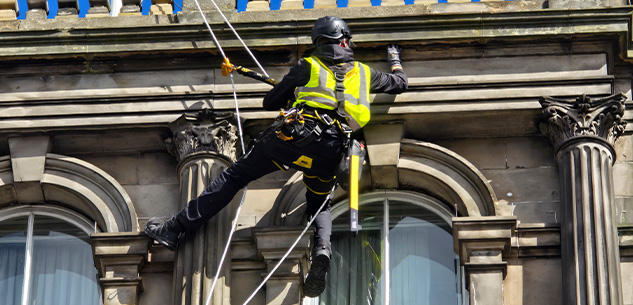
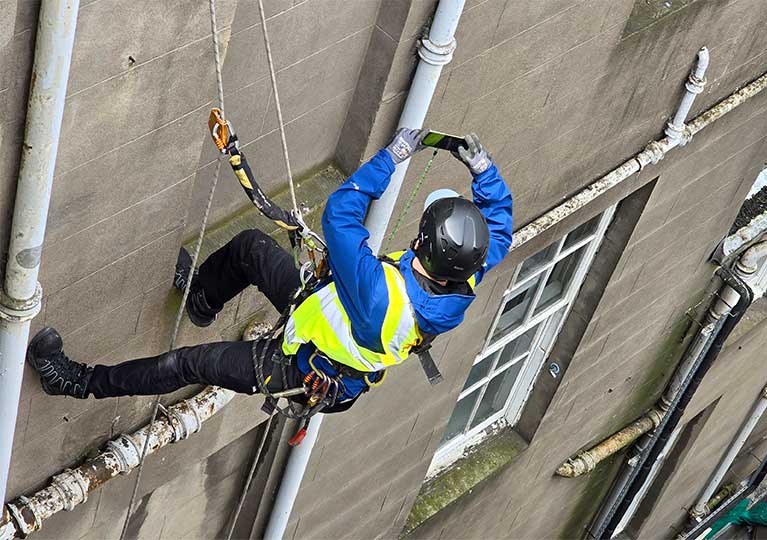
By utilizing Rope Access, we access all elevations ensuring close range masonry inspection
Step_02

Document & Report

Every defect is photographed, mapped to its location on the facade, and graded by severity
Step_03

Log & Track

All findings are loaded into your Building Passport. Defects are pinned to their exact locations

Stonework Inspection Methodology

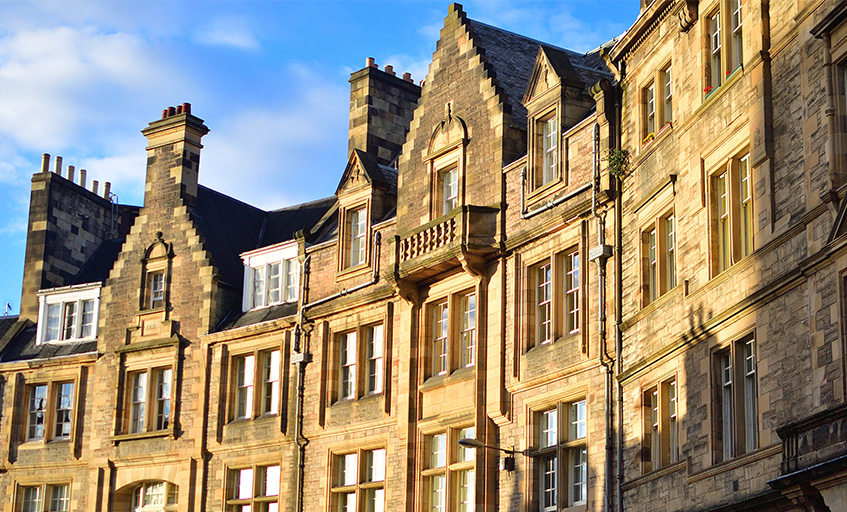
Accessing tenement buildings and other high-rise structures, is often problematic and costly. Typical requirements will be the use of scaffolding or cherry pickers. Both of which are cumbersome and require local council permits. They are also intrusive and take up a large ground and carbon footprint.

Fortunately, SAT do not require any of these, as our company will undertake your stonework inspections by utilizing rope access as our means of work at height. Our carbon footprint is zero, with minimal ground footprint required as we access the roof via the hatch and setup on the roof itself.

Our skilled and highly sought after technicians can traverse the external fabric of the property and check each area in detail.

Why It Matters

Stone Doesn't Fail All at Once

Sandstone deterioration is gradual — eroding pointing, hairline cracks, surface spalling. It's easy to miss from the ground, and easy to ignore until a piece comes loose or water starts getting in. A close-range rope access inspection picks up what's changing before it becomes a repair bill.

  • Every stone face inspected at close range
  • Pointing, cracks, erosion, and displacement recorded
  • Defects graded by severity and urgency
  • Reports suitable for factors, owners, and conservation officers

STONEWORK

What You Get

A detailed stonework condition report with photographs, defect mapping, and clear recommendations — not a general overview from street level. All findings are logged in your Building Passport and tracked over time.

Edinburgh-Stonework-Inspections-Company
Dropped Objects

Loose Stonework Is a Public Safety Risk

Deteriorating sandstone doesn't always show from the ground.

Cracked lintels, spalling faces, and eroded joints can leave stone loose enough to fall — onto pavements, parked cars, or people.

A physical inspection identifies and removes loose material before it becomes someone else's problem.

If your building hasn't had a stonework inspection in the last few years, that risk is sitting unmanaged.

  • Spalling faces and eroded joints assessed for drop risk
  • Photographic evidence provided for insurance and liability records
  • Peace of mind for factors, owners, and building managers
  • Loose stonework and render removed onsite to make safe
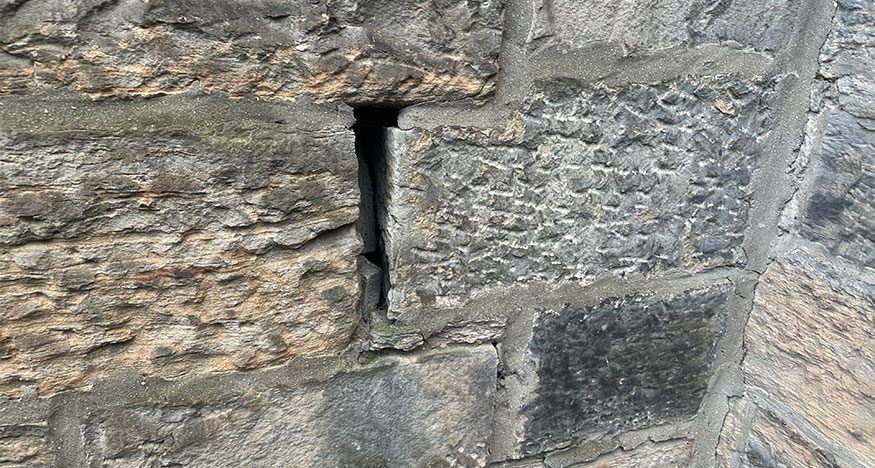
Open-Mortar-Joints
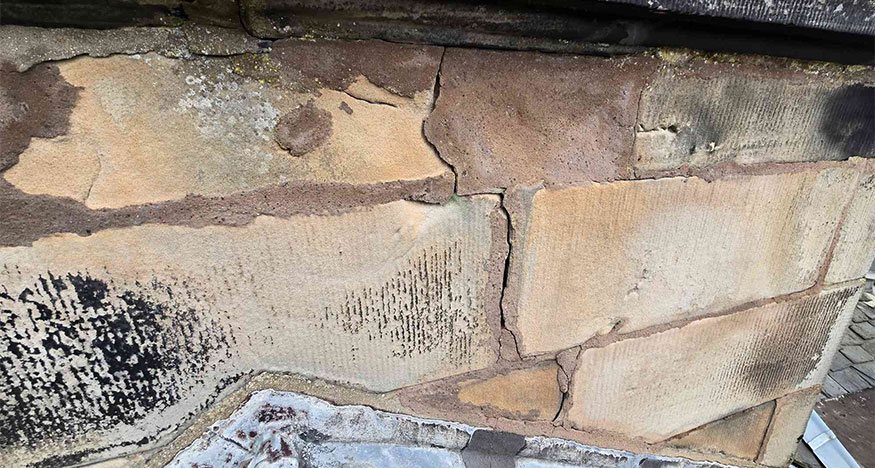
Cracked-Mortar-Joints

Building Maintenance

Roof Surveys

Stonework Repairs

Building Surveys

Roof Slate Repairs

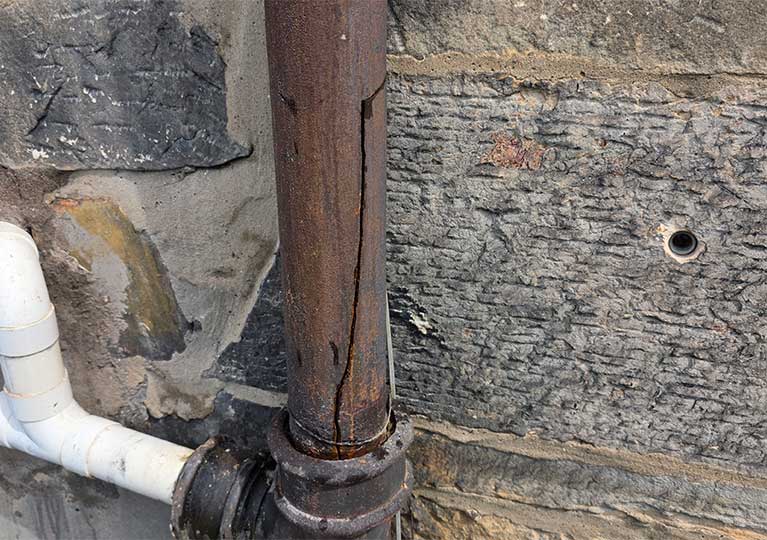
Rainwater Systems

Building Passport

Gutter Cleaning

Repairs and Installations

Stonework Inspections

Roof Surveys

Building Passport
Your Building's Digital Record

The Building Passport

Every inspection, defect, and repair — logged, tracked, and accessible. Free to all SAT clients.

Overview
Property Score
Visual Record
Surface Canvas
Structured Data
Item Packs
Lifecycle
Defect & Monitor Tracking
History
Inspection Spine
Reporting
Three PDF Report Types
Location
Client Map
What We Inspect

A Full Assessment of Your Stonework

We inspect every stone face at close range by rope access — not from the ground with binoculars. That means we catch the early signs of deterioration that drive long-term repair costs: soft joints, hairline cracks, surface loss, and water ingress paths.

Physical-Stonework-Checks

Pointing & Joints

Lime and cement mortar joints and recessed pointing

Surface Condition

Spalling, erosion, delamination, and biological growth

Cracks & Movement

Hairline cracks, structural cracking and lintel deflection

Indents & Repairs

Past repairs, failed indents, mismatched stone, poor mortar
What we look after

Every part of an older building

Fill in our short form and we will get straight back to you

    We track all items

    Click on a pin to see some of the items we track

    test

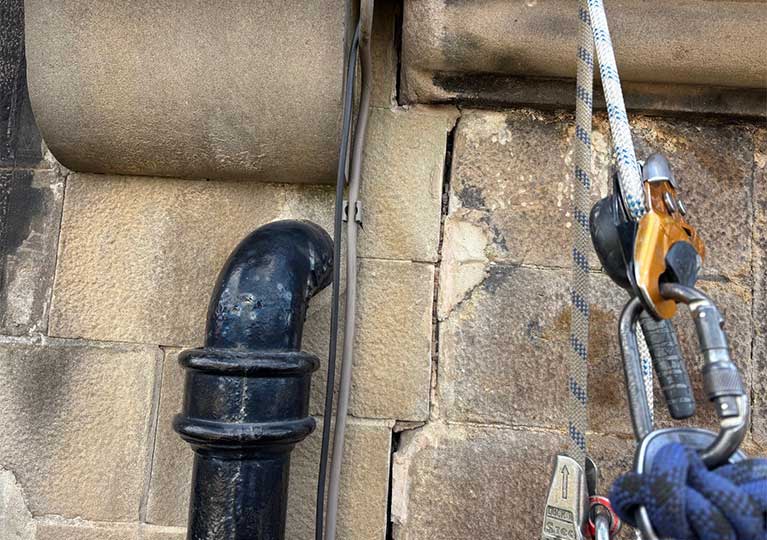
    Rainwater Systems

    We check: Gutters, Downpipes, Joints, Seals, Hangers, Brackets, Surfaces

    Rainwater Systems

    We check: Gutters, Downpipes, Joints, Seals, Hangers, Brackets, Surfaces
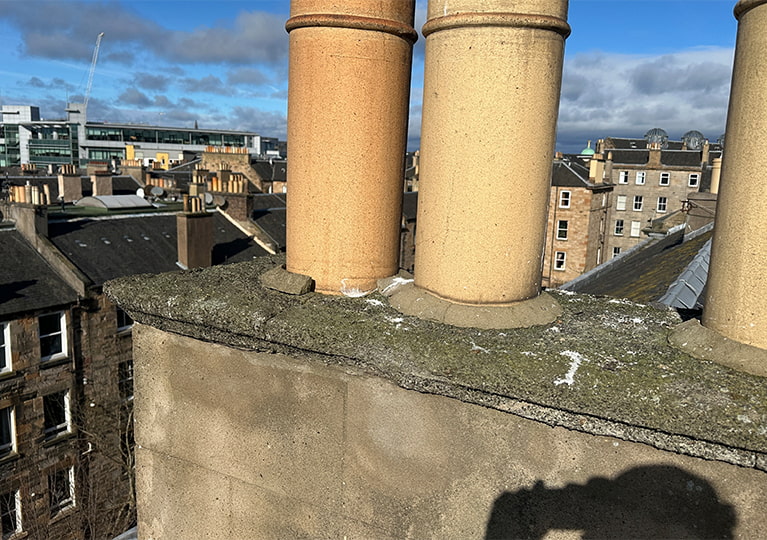
    Chimneys

    We check: Pots, cope stones, haunching, chimney breast and throat, stonework, mortar joints, flashings and soakers
    Chimneys

    We check: Pots, cope stones, haunching, chimney breast and throat, stonework, mortar joints, flashings and soakers

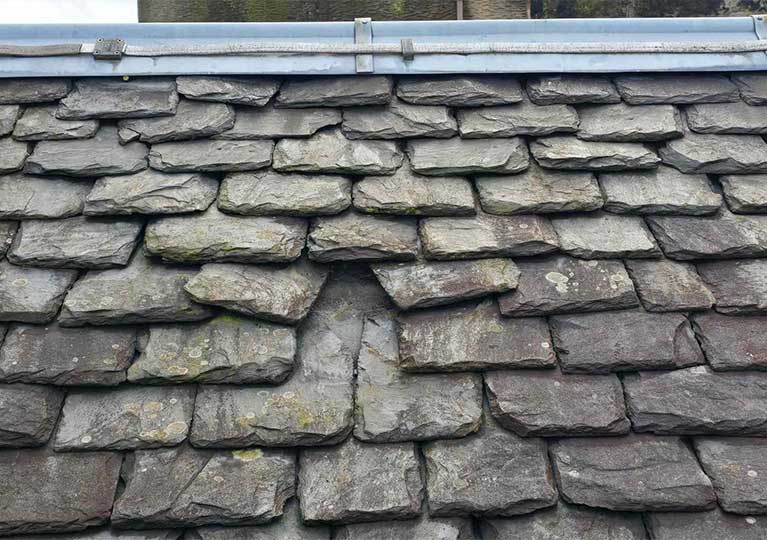
    Roof Covering

    We check: Slipped/missing slates, Ridges, Ridge tiles and joints, Abutments and Skews
    Roof Covering

    We check: Slipped/missing slates, Ridges, Ridge tiles and joints, Abutments and Skews

    Stonework

    We check: Surfaces, Spalling, Lamination, Loose stonework, Mortar joints, Cracks and deterioration
    Stonework

    We check: Surfaces, Spalling, Lamination, Loose stonework, Mortar joints, Cracks and deterioration

    Inspections

    SAT check every aspect and surface of the property. We do this visually and physically

    Inspections

    SAT check every aspect and surface of the property. We do this visually and physically