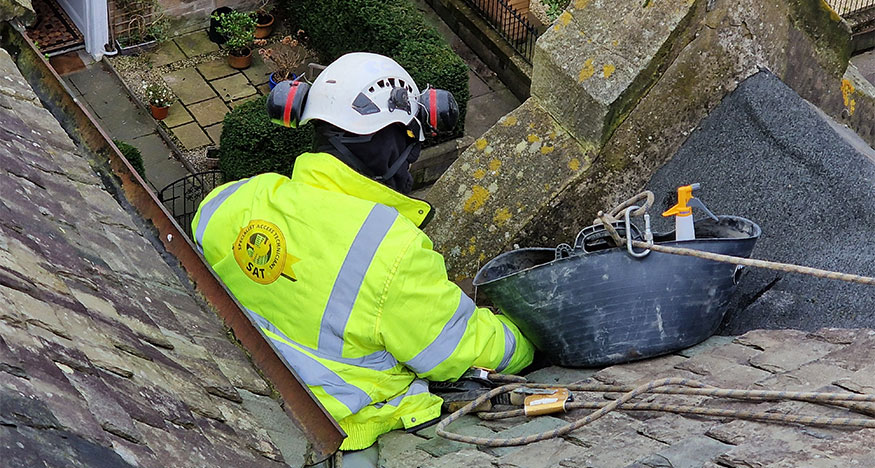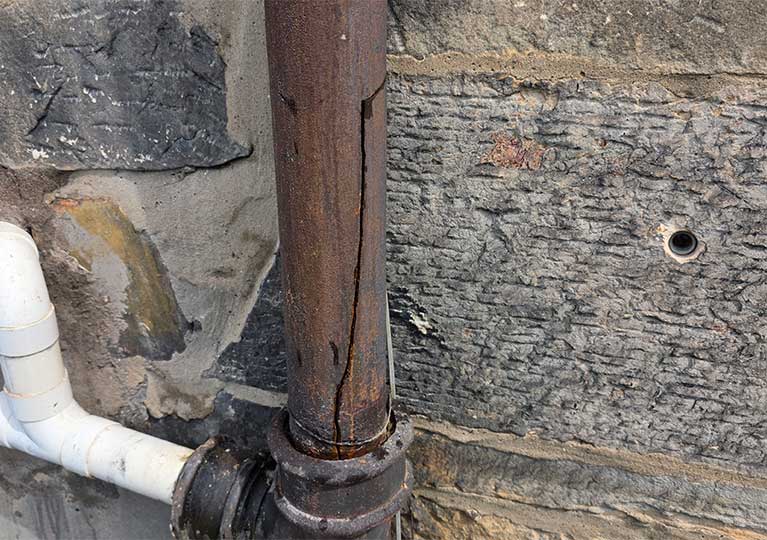

Stone Repairs
Rope access stonework repairs for Edinburgh's tenements, townhouses, listed buildings, and hotels — lime mortar repointing, indent repairs, and crack stabilisation carried out at height.
How We Repair Your Stonework
Every repair follows the same process — assessed, carried out, and recorded properly.
Assess
Repair
Record
Stone Repairs Don't Happen Themselves
Accessing tenement buildings and other high-rise structures, is often problematic and costly. Typical requirements will be the use of scaffolding or cherry pickers. Both of which are cumbersome and require local council permits. They are also intrusive and take up a large ground and carbon footprint.
Failed pointing, cracked stone, and eroded faces aren't cosmetic problems. They are water ingress paths. Once moisture gets behind the facade, it will travel. Damp reaches internal walls, timber decays, and what started as a small joint failure becomes a structural repair.
The good news is that most stone repairs can be happen in place. Stone doesn't always need replacing. A well-executed repointing or indent repair, using the right materials, restores the original performance of the wall without losing the character of the building.
Our skilled and highly sought after technicians can traverse the external fabric of the property and check each area in detail.
Building Inspections

Building Maintenance
Stone Repairs
Building Passport
Roof Surveys
Leadwork Repairs
Stonework Inspections
Building Passport
Building Inspections
Roof Repairs
Roof Slate Repairs
Rainwater Systems
Building Maintenance
Recoating
Stone Repairs Done Properly, At Height
The right materials, the right access method, and a proper record of every repair.

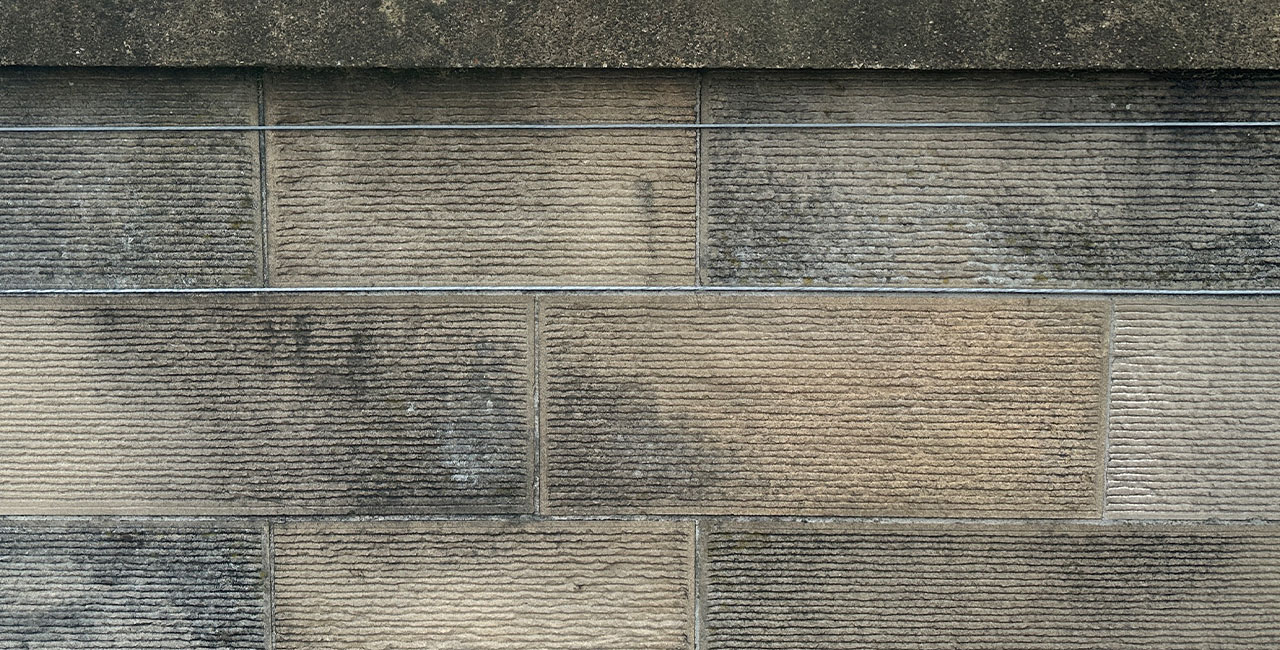
We never use cement on buildings that were built with lime. Every repointing and repair uses lime mortar matched to the existing profile, colour, and mix. Because the wrong material causes more damage than the defect it was meant to fix.
- Lime mortar repointing
- Mortar colour match
- Compatible sandstone
- Breathable repairs
- No cement pointing
- Experienced technicians
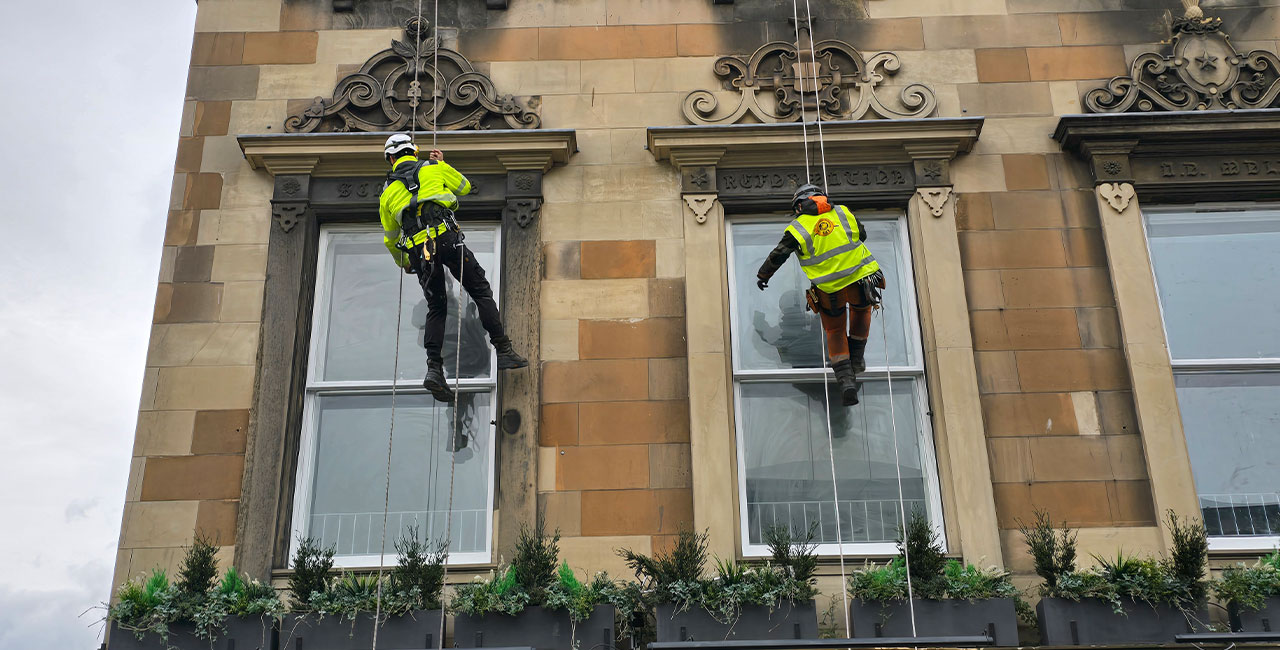
We access your building from the roof via the common stair. No scaffolding, no council permits, no pavement closures. The repair starts when we arrive, not three weeks later.
- Common stair access
- Minimal disruption to clients
- Faster mobilization
- Full facade coverage

Every stone repair is documented before and after, logged in your Building Passport, and pinned to its exact location. You have a permanent record — useful for factors, insurers, and future maintenance decisions.
- Before and after photos
- Repair details logged
- Exact location pinning
- Accessible to shareholders
- History tracking
- Reporting downloads
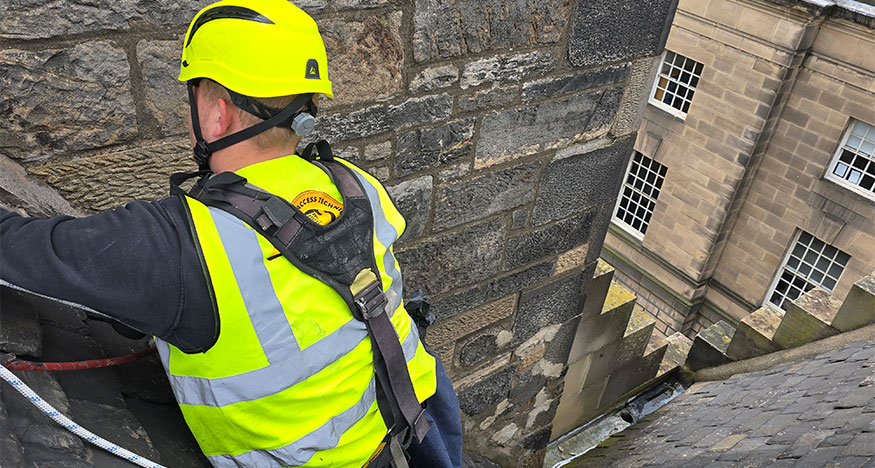
We never use cement on buildings that were built with lime. Every repointing and repair uses lime mortar matched to the existing profile, colour, and mix. Because the wrong material causes more damage than the defect it was meant to fix.
- Lime mortar repointing
- Mortar colour match
- Compatible sandstone
- Breathable repairs
- No cement pointing
- Experienced technicians

We access your building from the roof via the common stair. No scaffolding, no council permits, no pavement closures. The repair starts when we arrive, not three weeks later.
- Common stair access
- Minimal disruption to clients
- Faster mobilization
- Full facade coverage

Every stone repair is documented before and after, logged in your Building Passport, and pinned to its exact location. You have a permanent record — useful for factors, insurers, and future maintenance decisions.
- Before and after photos
- Repair details logged
- Exact location pinning
- Accessible to shareholders
- History tracking
- Reporting downloads
The Stone Repairs We Carry Out
Deteriorating sandstone doesn't always show from the ground. Cracked lintels, spalling faces, and eroded joints can leave stone loose enough to fall — onto pavements, parked cars, or people.
A physical inspection identifies and removes loose material before it becomes someone else's problem.
If your building hasn't had a stonework inspection in the last few years, that risk is sitting unmanaged.
Lime Mortar Repointing
Raking out failed joints and repointing with lime mortar matched to the original profile and colour. We never use cement on buildings that were built with lime — it traps moisture and accelerates stone decay.
Indent Repairs
Cutting out and replacing individual damaged stones with compatible sandstone, bedded and pointed in lime mortar. Used where the stone face has failed beyond surface repair.
Crack Repairs & Stabilisation
Filling, stitching, or pinning cracks to prevent further movement and water ingress. Each crack is assessed individually — some need filling, others need monitoring.
Surface Repairs
Addressing spalling, delamination, and surface erosion where the stone is sound behind the face. Localised repairs that extend the life of the original stone.
Loose Stone Removal
Identifying and safely removing any stone that's displaced, cracked through, or at risk of falling. A safety-critical task on buildings above public pavements.
Building Maintenance
Roof Surveys
Stonework Repairs
Building Surveys
Roof Slate Repairs
Rainwater Systems
Building Passport
Gutter Cleaning
Repairs and Installations
Stonework Inspections
Roof Surveys
Building Passport
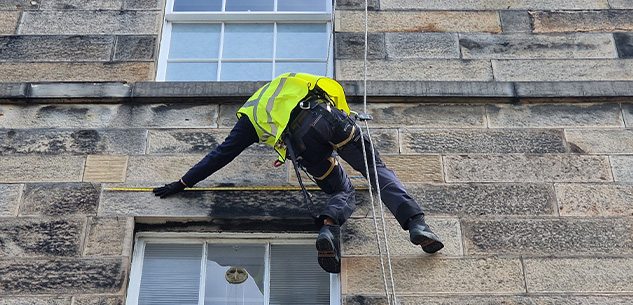
Repair First, Replace Only When Necessary
Not every stone defect needs a new piece of stone.
Our stonemasons assess each area individually and carry out the stone repairs that the building actually needs.
Not the most expensive option. Repointing, filling, stabilising, and patching all extend the life of the original stonework without losing the character of the facade.
When stonework repairs do require an indent or full replacement, we source compatible sandstone and bed it in lime mortar matched to the original build.
The repair should look like it belongs, not like an afterthought.
In-Situ Stone Repairs
Historic & Listed Buildings
Safety-Critical Work
Ongoing Maintenance
The Building Passport
Every inspection, defect, and repair — logged, tracked, and accessible. Free to all SAT clients.
Property Score
Surface Canvas
Item Packs
Defect & Monitor Tracking
Inspection Spine
Three PDF Report Types
Client Map
Small Repairs Now Prevent Big Bills Later
A failed mortar joint costs a fraction of what a full indent repair costs. A cracked lintel caught early can be stabilised. If left alone, it can drop a stone onto the pavement below.
Stonework deterioration is predictable and manageable, but only if someone is looking at it regularly and acting when the small problems appear.
That's why most of our stone repair work comes through our ongoing stonework inspection and maintenance relationships.
We already know the building, we've already recorded the defects, and when something needs fixing we get to it before it escalates.
STONE REPAIRS
-
Repointing a joint is cheaper than replacing a stone
-
Stabilising a crack is cheaper than rebuilding a lintel
-
Removing a loose piece is cheaper than an insurance claim
-
Regular maintenance is cheaper than reactive emergency work
Every part of an older building
Fill in our short form and we will get straight back to you
We track all items
Click on a pin to see some of the items we track
Rainwater Systems
We check: Gutters, Downpipes, Joints, Seals, Hangers, Brackets, Surfaces
Rainwater Systems
We check: Gutters, Downpipes, Joints, Seals, Hangers, Brackets, Surfaces
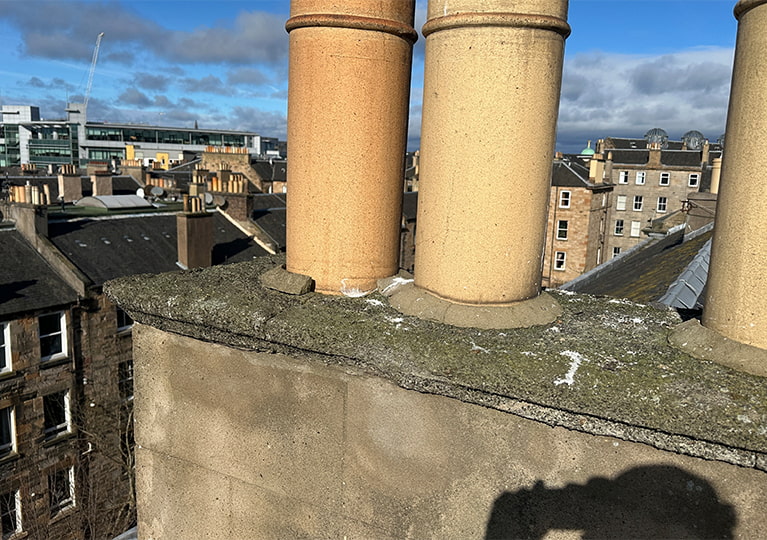
Chimneys
We check: Pots, cope stones, haunching, chimney breast and throat, stonework, mortar joints, flashings and soakers
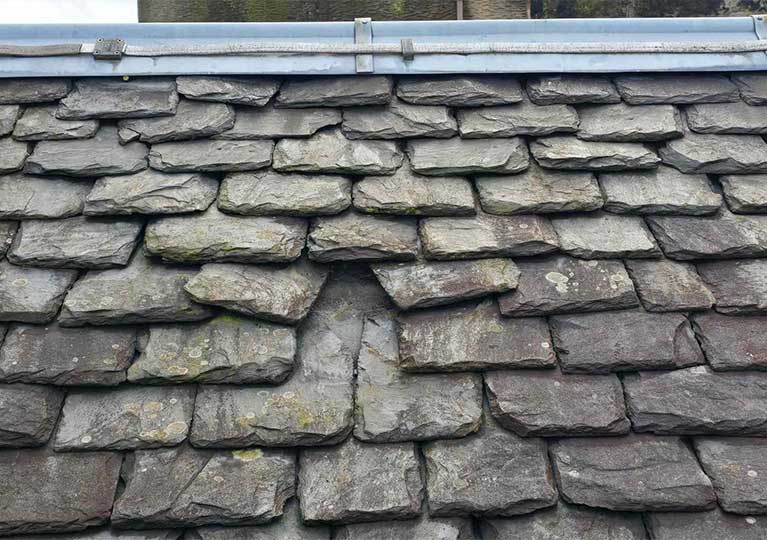
Chimneys
We check: Pots, cope stones, haunching, chimney breast and throat, stonework, mortar joints, flashings and soakers
Roof Covering
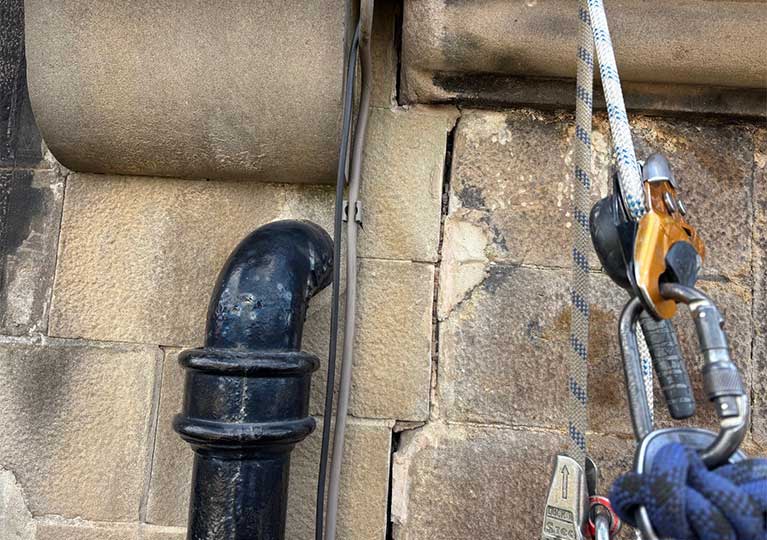
We check: Slipped/missing slates, Ridges, Ridge tiles and joints, Abutments and Skews
Roof Covering
We check: Slipped/missing slates, Ridges, Ridge tiles and joints, Abutments and Skews
Stonework
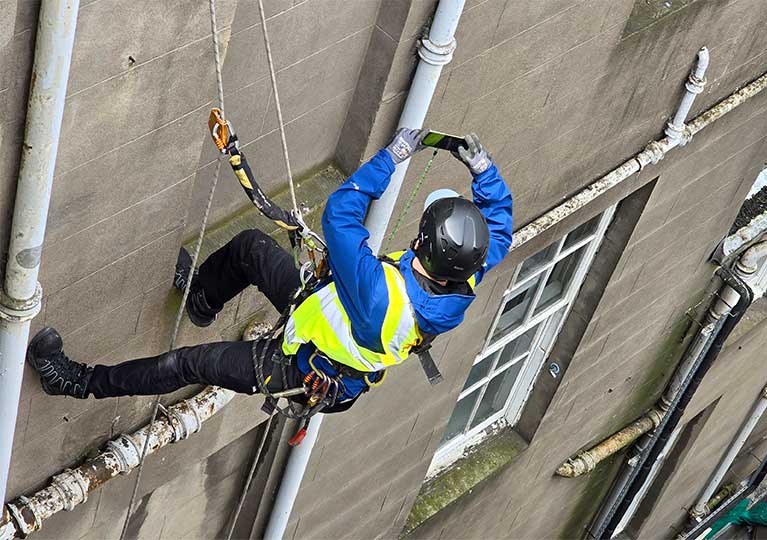
We check: Surfaces, Spalling, Lamination, Loose stonework, Mortar joints, Cracks and deterioration
Stonework
We check: Surfaces, Spalling, Lamination, Loose stonework, Mortar joints, Cracks and deterioration
Inspections
SAT check every aspect and surface of the property. We do this visually and physically
Inspections
SAT check every aspect and surface of the property. We do this visually and physically